How we made a film that should cost thousands, for a fraction of the price
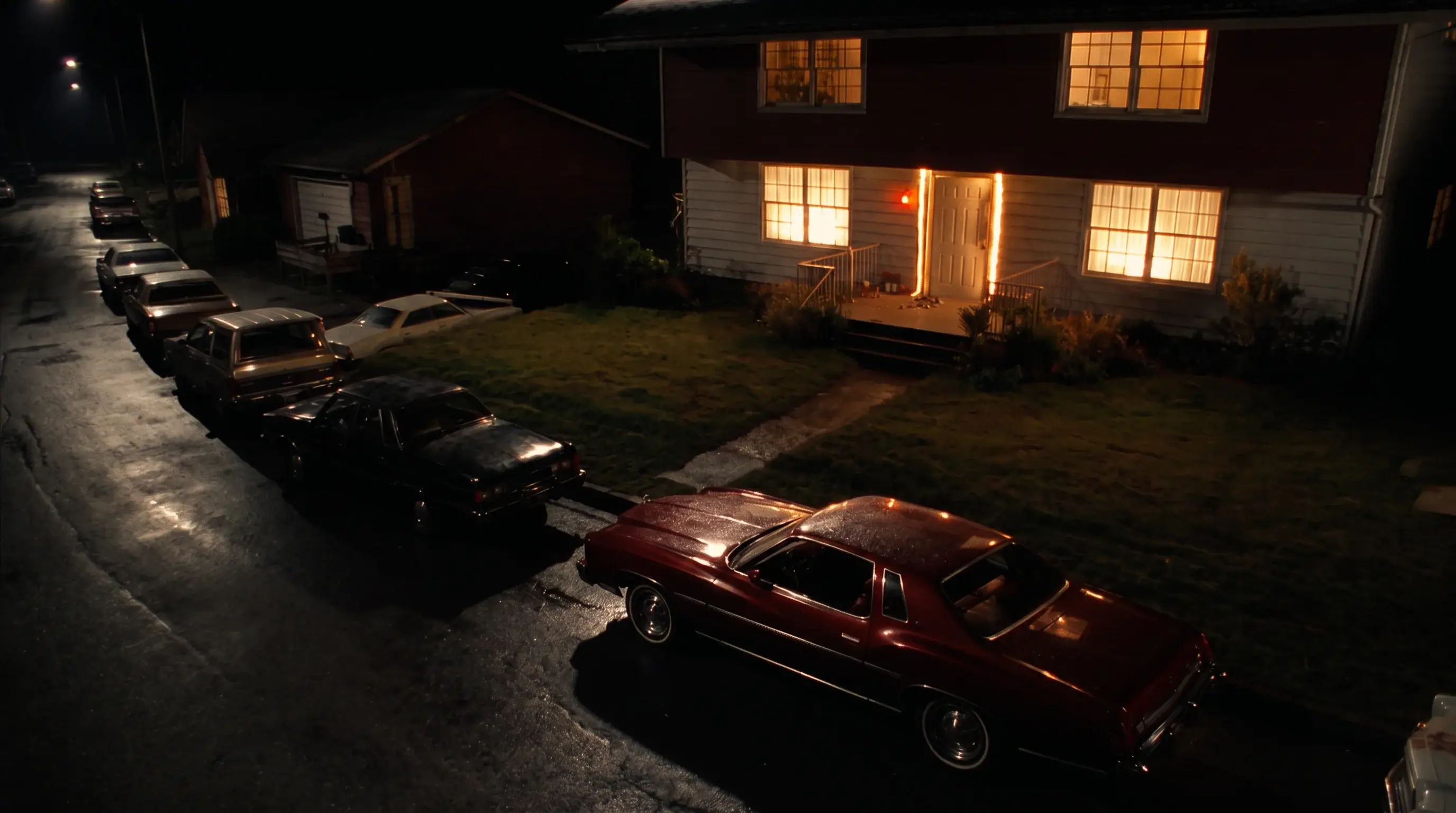
For years, making our own film stayed on the list of things we would do someday. The story was there. What was missing was everything around it: a cast, a crew, locations, cars, a budget nobody had. Déjà Vu is the film we finally made, 5 minutes long, without a single camera, every frame generated with AI.
Starting from the film, not the budget
Before AI, every idea went through the same filter: can we actually shoot this? A night car crash on a cliff road, a party, an island in the middle of nowhere, a hospital. On paper, that is a production with dozens of people and weeks of work, and the idea usually gets cut down until it fits.
This time we did it the other way around. We started from the film we wanted to see, and let the tools tell us how far they could go. We made it for the Higgsfield Global Film Festival, and it became the most complete test we have run of what one small studio can do today.
The story
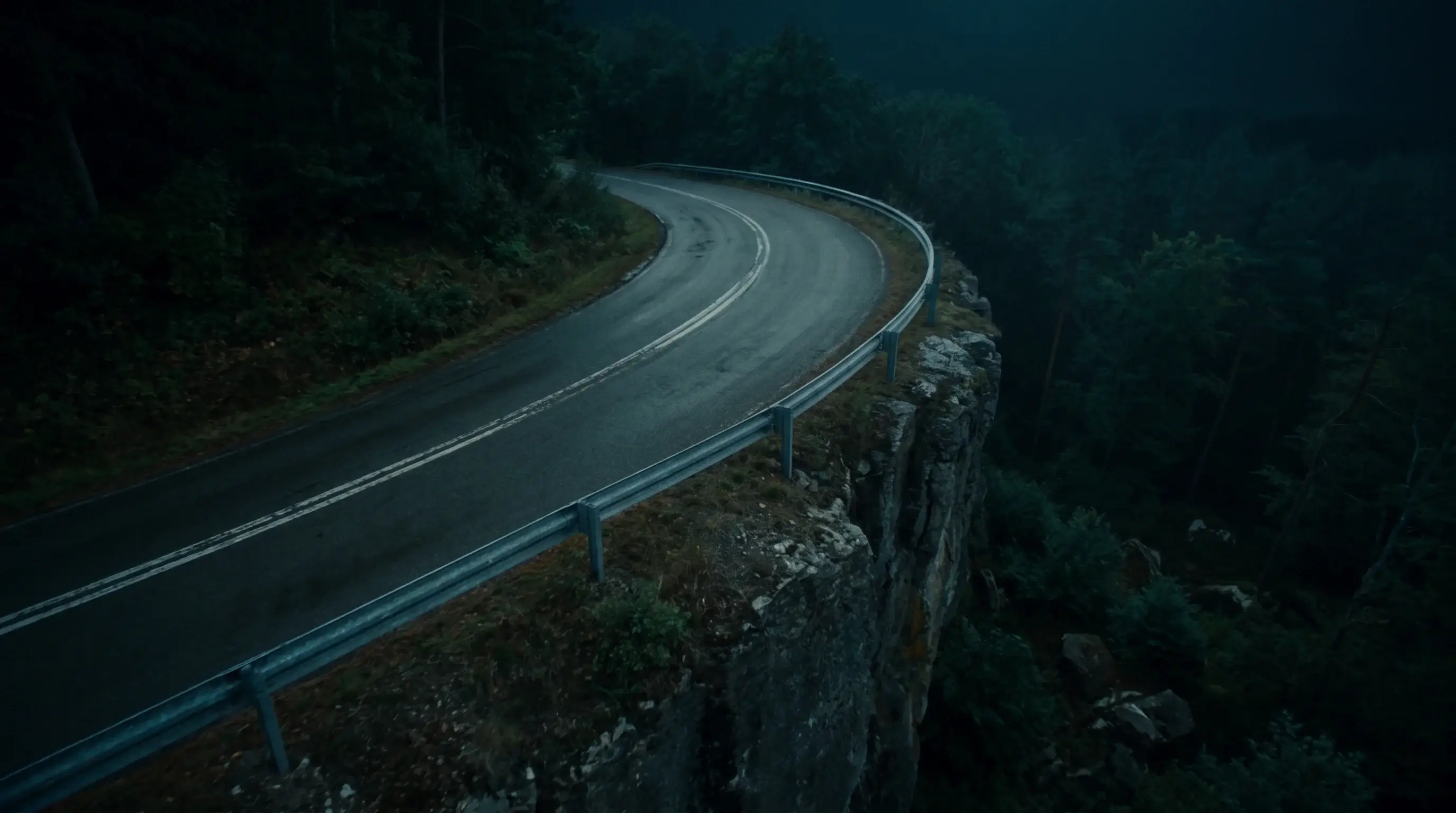
John lives an ordinary life. He has Rebecca, a group of friends he has known forever, and a habit of going out a little too often. One night at Jake’s place, the drinking goes further than usual. He knows he should not drive home, and he does anyway. On a forest road, he loses control of the car.
When he opens his eyes, he is alone on an island. He looks for a way off, walks the coast, tries again and again. Days turn into weeks, then months, and every attempt ends in the same place.
Slowly, the film lets you understand that the island is not a place at all. It is what John’s mind builds while his body lies unconscious after the crash. Trying to leave the island is really trying to leave himself, and find a way back.
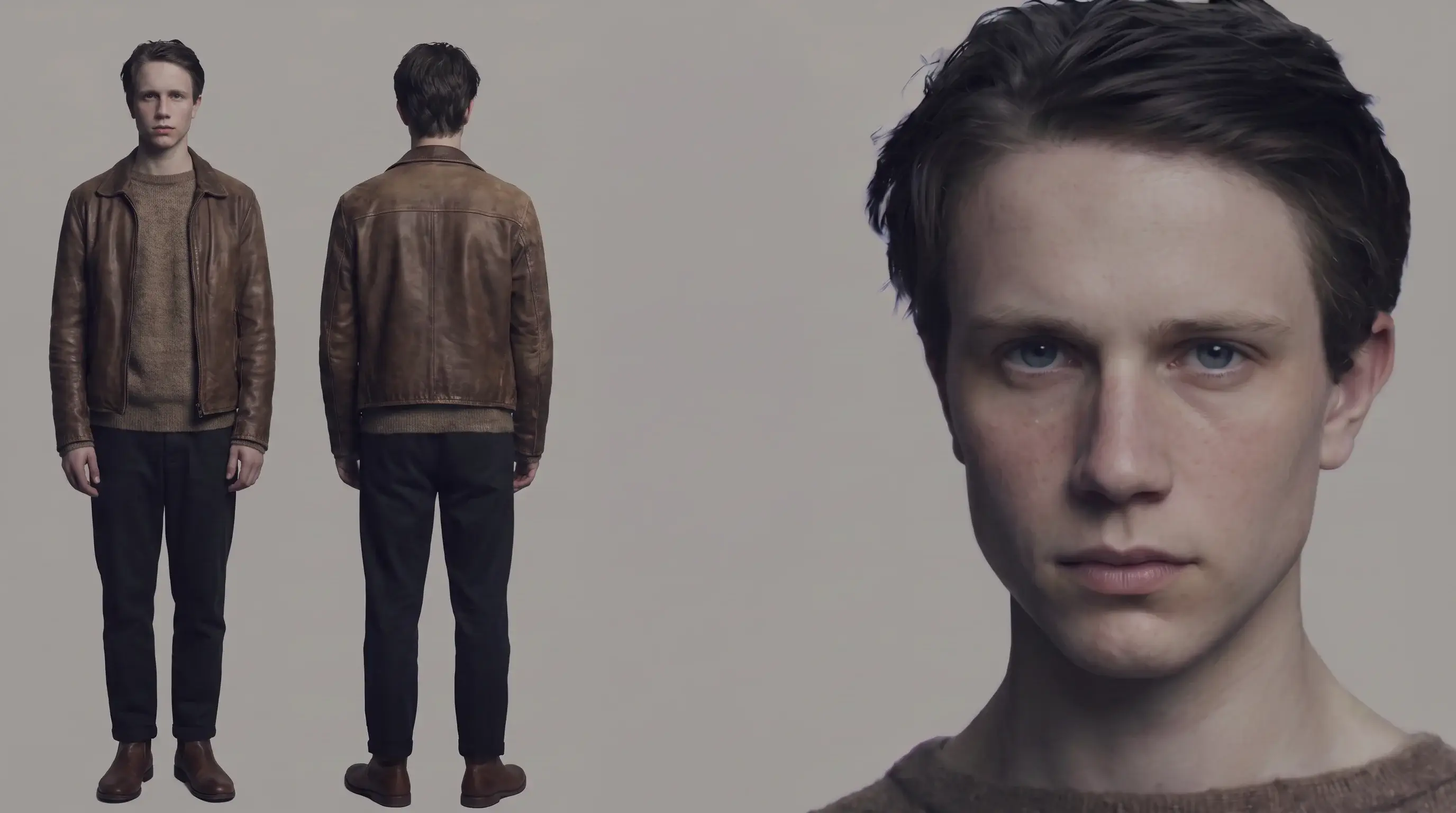
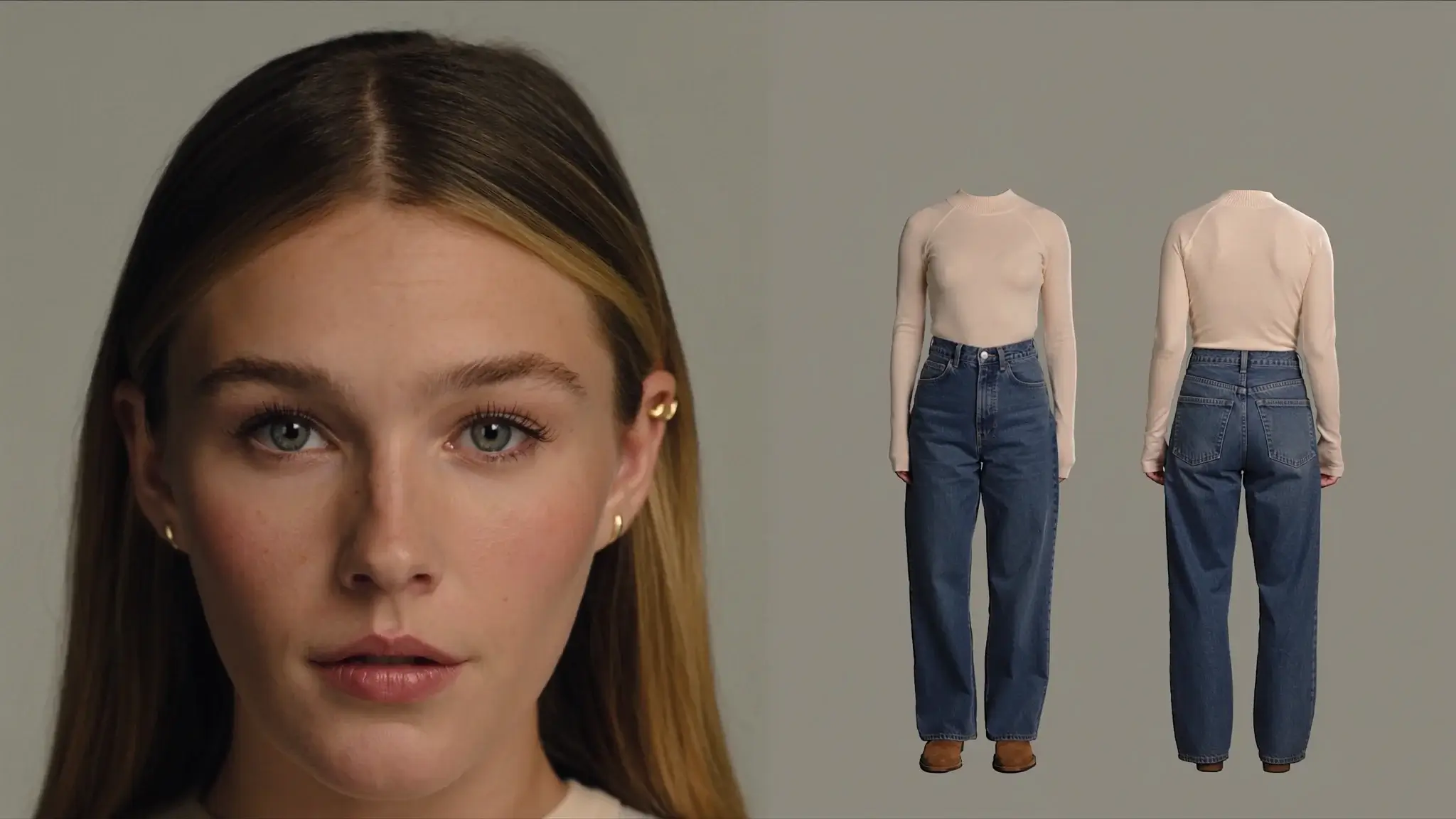
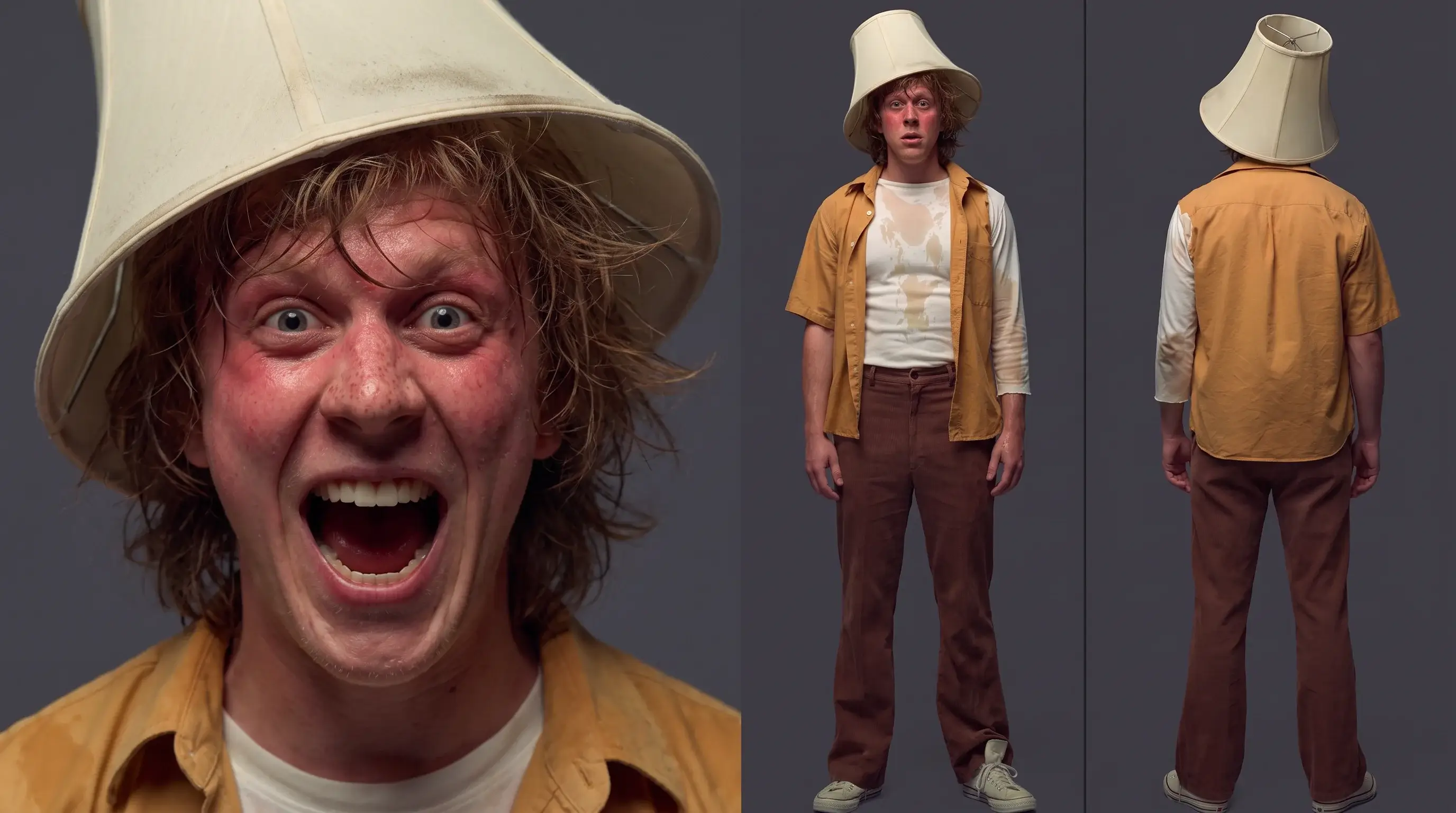
One studio instead of a crew
The whole film was made inside Higgsfield Cinema Studio. In practice it became the camera, the sets and the props department at the same time. Different models handled different jobs, some for faces and places, others for movement, and every final shot went through an upscale with Topaz at the end.
What made the difference was having everything in the same place. Each new image could lean on the ones made before it, which is exactly what a film needs.
Building the world before filming it
The first thing you learn with AI video is that it forgets. Ask for the same man twice and you get two slightly different men. Over 5 minutes, that is enough to lose the audience.
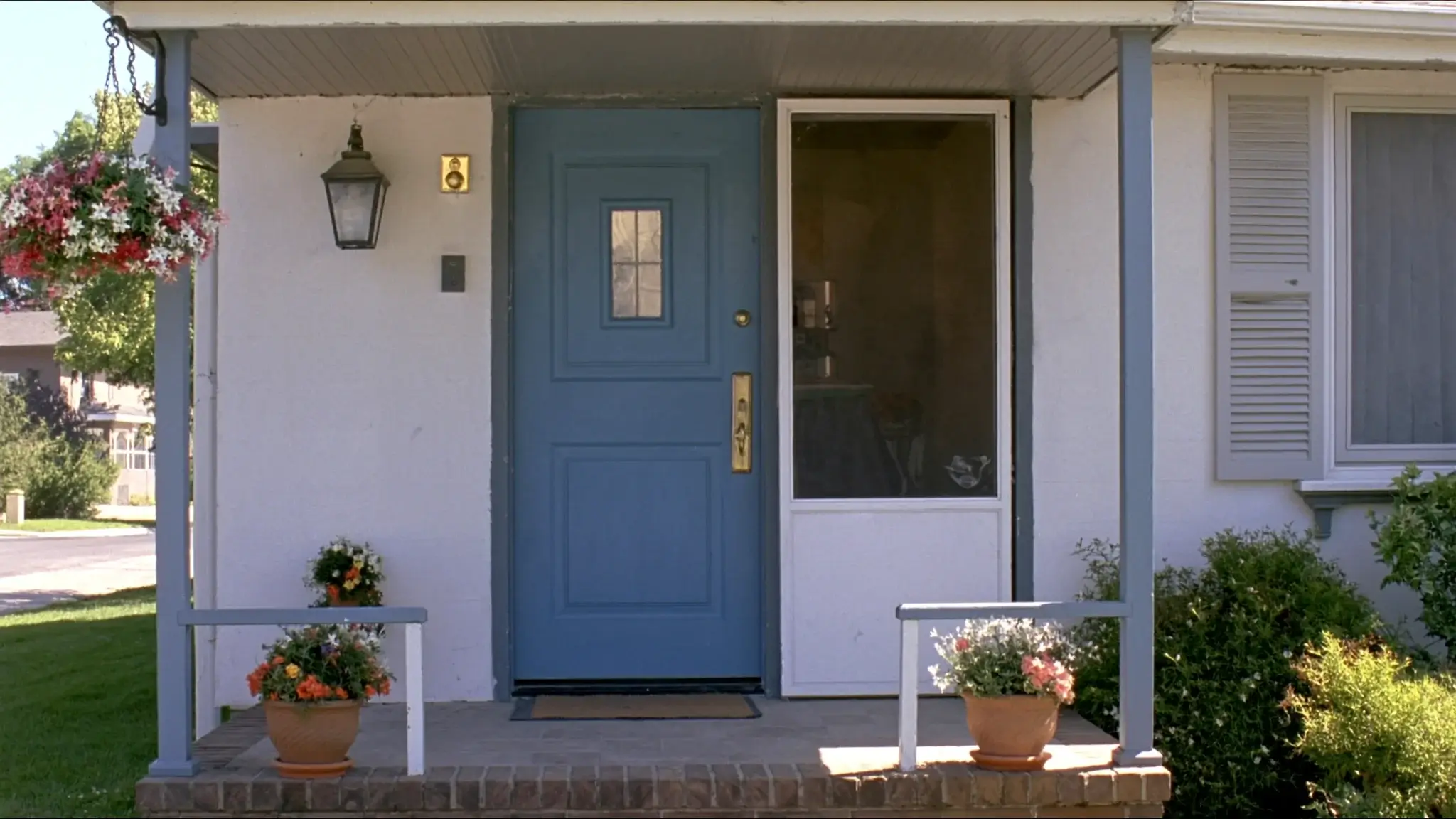
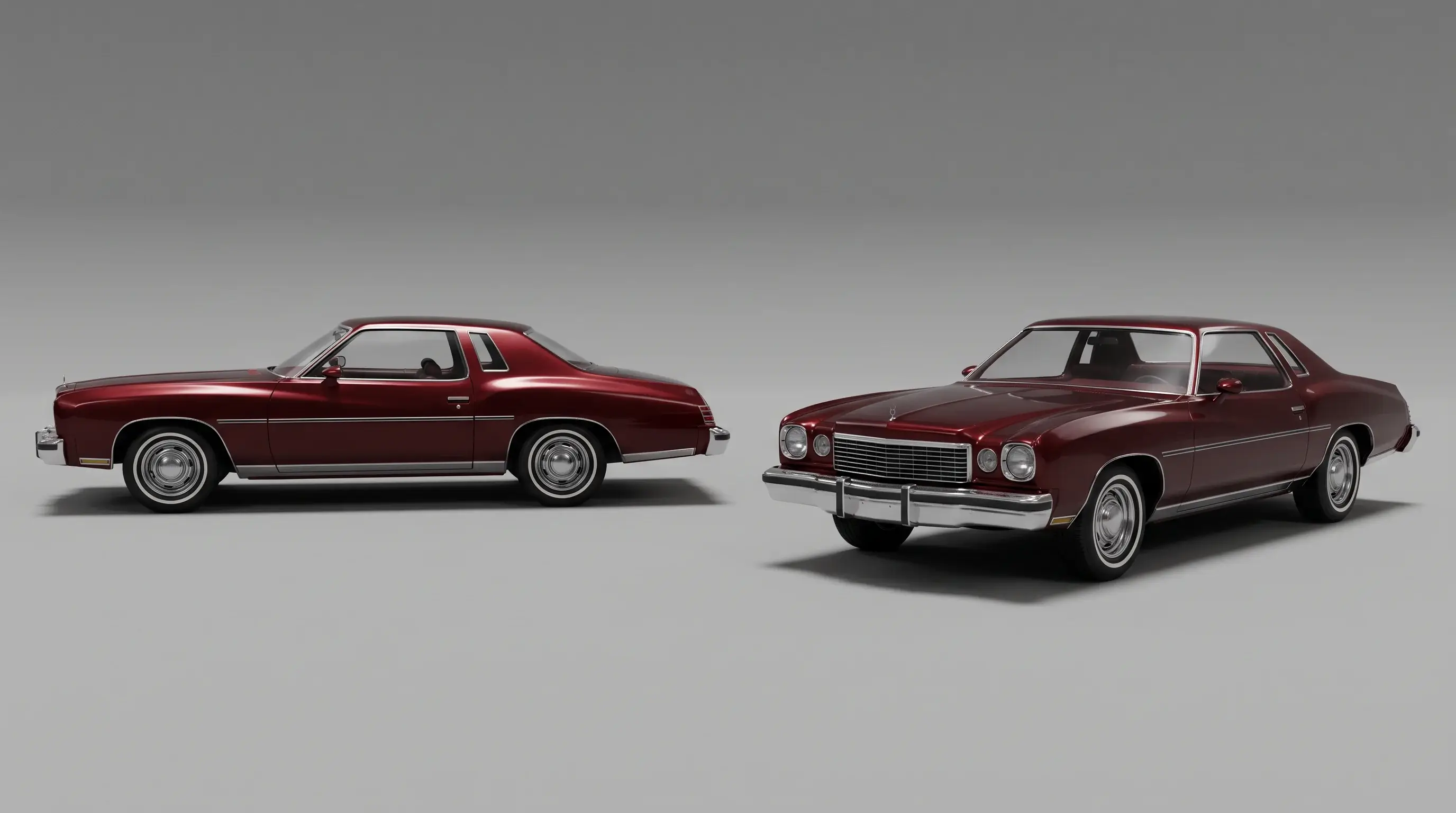
So before generating a single shot, we built the cast, the places and the objects one by one, as stills, and kept them as references. John alone ended up with eight different looks, from the city to the island. The island itself took more work than anything else: hundreds of images to get the angles, the light and the weather to feel like one real place. Even the small things, like the red car or the ice creams, were made once and reused, so they would never change from one shot to the next.
From pieces to shots
With those pieces ready, making a shot looks a lot like setting up a scene on a real set. You bring in a character, a place, an object, decide on the light and the framing, and the shot comes out of that. It feels much closer to directing than to writing prompts.
The bigger sequences taught us that this does not always work one shot at a time. The party and the crash had to be built as a whole, so that people, places and movements stayed consistent from cut to cut. Other scenes worked better the other way: get one shot exactly right, find its look, and only then move on.
The part nobody shows
Behind 5 minutes of film, there are close to a thousand generations and more than a thousand assets. Most of them never made it to the screen.
A face changes halfway through a shot. The car is suddenly a different red. A character looks in the right direction and walks the wrong way. Each time you adjust, generate again, compare, and sometimes go all the way back to fix the reference itself.
Some of that was on purpose. We tried several directions for the film and dropped most of them. Plenty of shots were made only to see if an idea held up. That is how we found which version of the story was worth telling.
Editing early, and cutting a lot
The film was edited in Adobe Premiere Pro, and the edit started long before the shots were finished. Putting a rough version together early shows right away what is missing, what does not work, and what actually needs to be made, which saves a lot of shots nobody needs.
It is also where the hardest decisions were made. Some scenes looked great on their own and still came out, because they made the film longer without making it better. In the end, making Déjà Vu was as much about finding what did not belong in it as what did.
A voice and a score
John’s voice carries the film, and it was created with ElevenLabs, along with part of the sound. Each line went through several takes before the tone and the timing sat right against the picture. The ambiences and impacts were built around it.
The music came from Suno. Rather than digging through a stock library for something close enough, each piece was made for its moment, lighter and warmer for the life before, sparse and suspended for the island, then cut to the edit so it moves with the story.
What it changes
A few years ago, a film like this would have stayed an idea. Today the limit is not the budget anymore. It is the story, and how much time and care you are willing to put into it. AI does not make the film for you, but it finally lets a small team make the film they actually have in mind.